The death of the Myth of the Food Forest
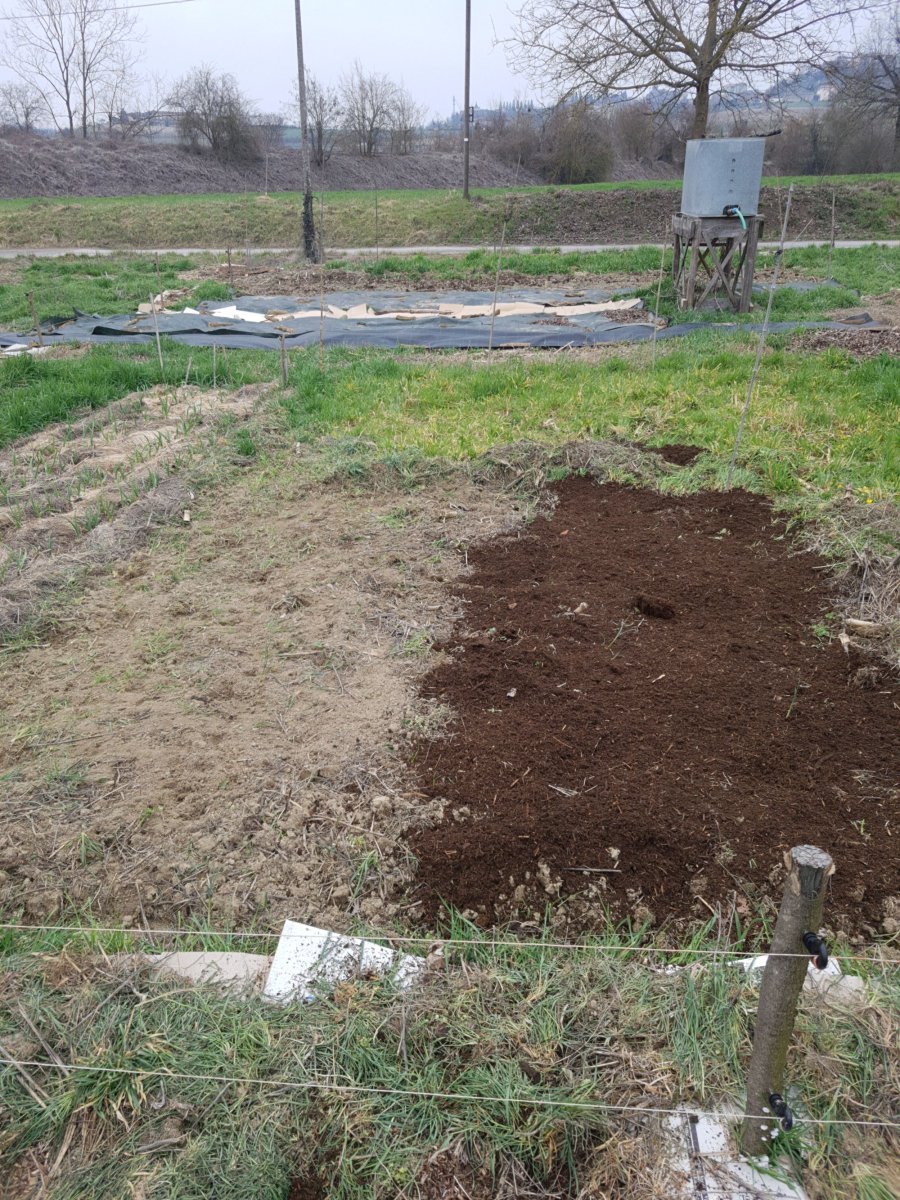
Three years ago I was fascinated by the concept of food forest (a real garden of Eden!) and despised the veggie garden as something needed but dull. Plant annual plants seemed to me a lot of work to be repeated each year, again and again.
But then reality kicked in, I moved to the farm and I ended up spending much more time doing the veggie garden than the food forest. The huge amount of food that I managed to grow caught my attention. The food forest on the other hand was much slower to grow and I did not really manage to plan it well. Many things failed, some succedeed and I am still building up. It's an art taking much longer time to be mastered skilfully.
In the veggie garden experimentation is fast. Instead of repeating the same jobs every year, I found myself trying to improve the work processes and (surtout) the state of the soil. Regenerative agriculture is evolutionary, the soil becomes more organic year after year. My hope is that the amount of work will decrease considerably if I manage to get life back into the soil.
So now at my third year on the farm, my focus has shifted on merging food forest and veggie garden into one: l' "Ortoforesta". On one hand, I've been planting trees at the borders of the veggie garden. I did it for several reasons:
- The ever increasing awareness that the presence of trees can help veggies grow. They are the top of the ecological evolution, the perfect beings to orchestrate life below and above soil. If managed in a way that enough light can reach the veggies, they can be a boost.
- Some of the trees I've planted are not fruit trees but biomass trees. My goal is to produce all my mulch onsite (instead of buying straw and embrace the "permaculture of appearence"). Transport of the biomass (without using fossil fuels) is a lot of work, so having it already there in the form of branches and leaves is fantastic.
- The soil in the veggie garden has already been worked for years so tree planting is very easy. Moreover I have more ready access to the trees and I can inspect them and potentially water them each time I go around watering the veggies. In my experience the concept that you sometimes hear in permaculture that you wanna stress a plant or leave it to fend for itself in order for it to grow strong does not alway make sense. In the case you are planting fruit trees bought from a tree nursery, you must consider that they are weak because (a) they are used to be pampered, (b) they have been grafted, (c) they have been transplanted (probably more than once) so their root system is damaged ...and then heavily pruned. They simply have not enough roots to go get their own water and nutrients. Those trees can maybe survive but not thrive if you don't take good care of them during the first couple of years! In addition to that, the last years have been incredibly dry and climate change is only gonna make things worse...
- It is simply easier to plan. My food forest is a bit of a mess, as I do not have regular plantings in lines. So I decided to stop planting more big trees and to focus on adding lower layers (shrubs, herbaceous, ground covers)... and to plant more trees outside of the food forest for this year.
On the other hand, I am now growing part of the veggies in the food forest and here are the reasons:
- I need to prepare the ground to insert my perennial lower layers anyway, so it's a good chance to put in some veggies first
- i wanna spread the risk of catastrophic pest attacks on the veggies. Notably on the potatoes I am very afraid of another strong attack from the Colorado potato beetle in the area of the veggie garden
So far the merging of veggie garden and food forest is looking very promising and pleasing to the eye. Dropping two mental categories looks very pleasing to the mind, too!